Begin with undyed or oatmeal linen, adding warmth that reads as sunlight rather than color. Pair with lightly smoked oak to introduce gentle contrast while preserving serenity. Let limestone tiles in cream or dove ground everything. This breathing palette supports art, plants, and books, making personal objects glow, not shout, and encouraging calm curiosity throughout the day.
Observe how daylight migrates across limestone. Morning light brightens honed surfaces; afternoon light pulls veining forward; evening light warms micro-shadows. Position seating and textiles to catch these shifts. A linen roman shade filters glare into soft gradients, while oak window trims frame the changing show, ensuring your space feels alive and seasonally tuned without constant redecoration.
Introduce contrast like a whisper, not a shout. A slim blackened steel frame around an oak coffee table, a small bronze pull against a linen-front cabinet, or a deep charcoal linen cushion on a limestone bench. Each accent strengthens structure and rhythm while keeping the spotlight on natural textures, avoiding harsh breaks that would fracture the room’s quiet cadence.

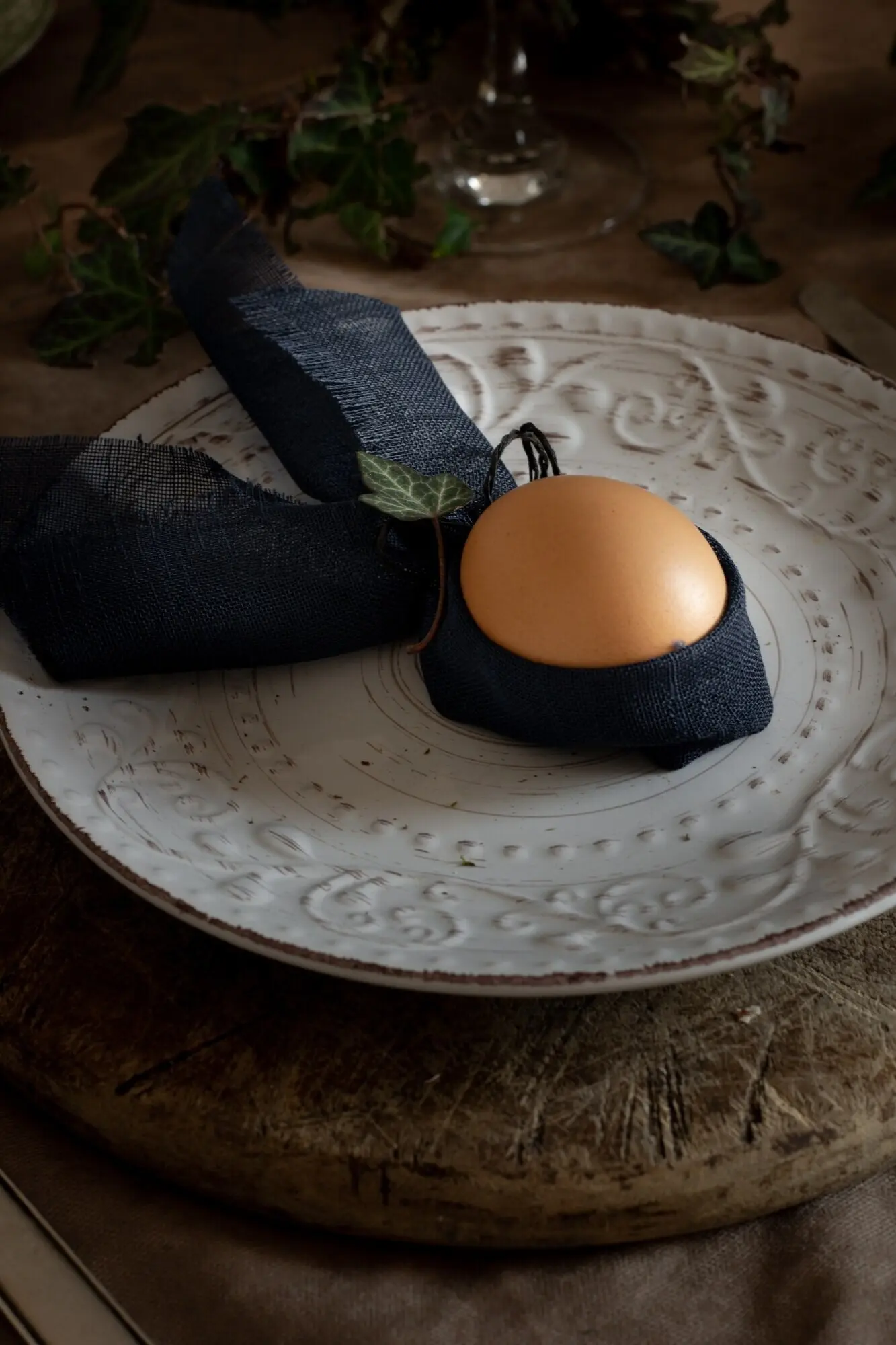
Select medium-weight linen for drapery that moves gracefully and pools modestly. Belgium- or Lithuanian-milled options often balance strength and softness. For upholstery, opt for tightly woven, enzyme-washed varieties that resist pilling. Pre-washing reduces shrinkage and yields a supple hand. Embrace seams and hems as subtle detailing, letting stitch length and selvedge accents express craft without ostentation.
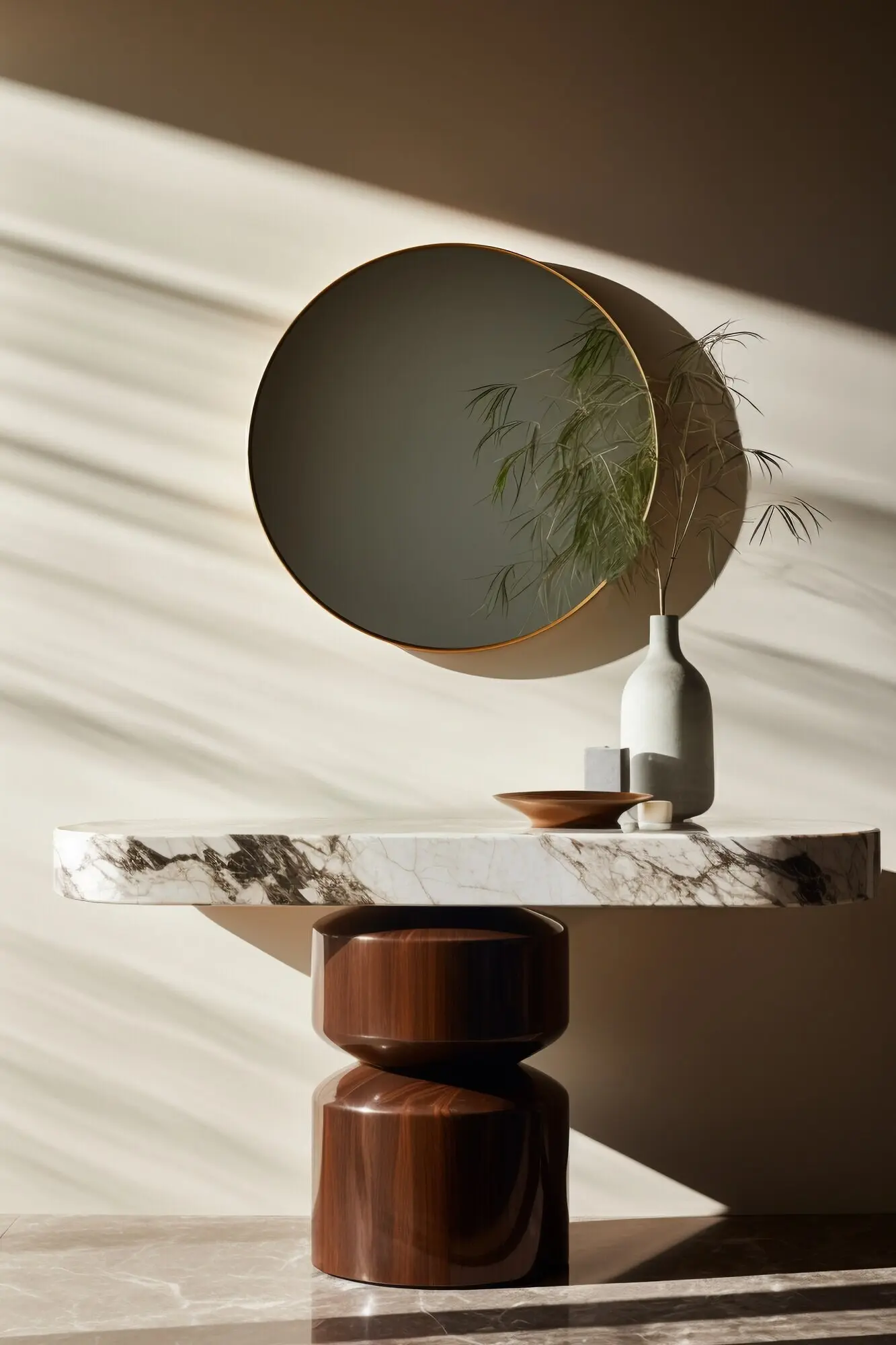
Hardwax oils keep oak tactile, highlighting grain without plastic shine. Regular maintenance is simple: spot-repairable and forgiving. Fumed or smoked treatments deepen tone naturally, avoiding paint-like opacity. Wire-brushing raises earlywood slightly for texture that resists minor scratches. Always sample under your exact lighting, since finishes translate differently morning to night. Prioritize touch, not showroom gloss, for enduring serenity.
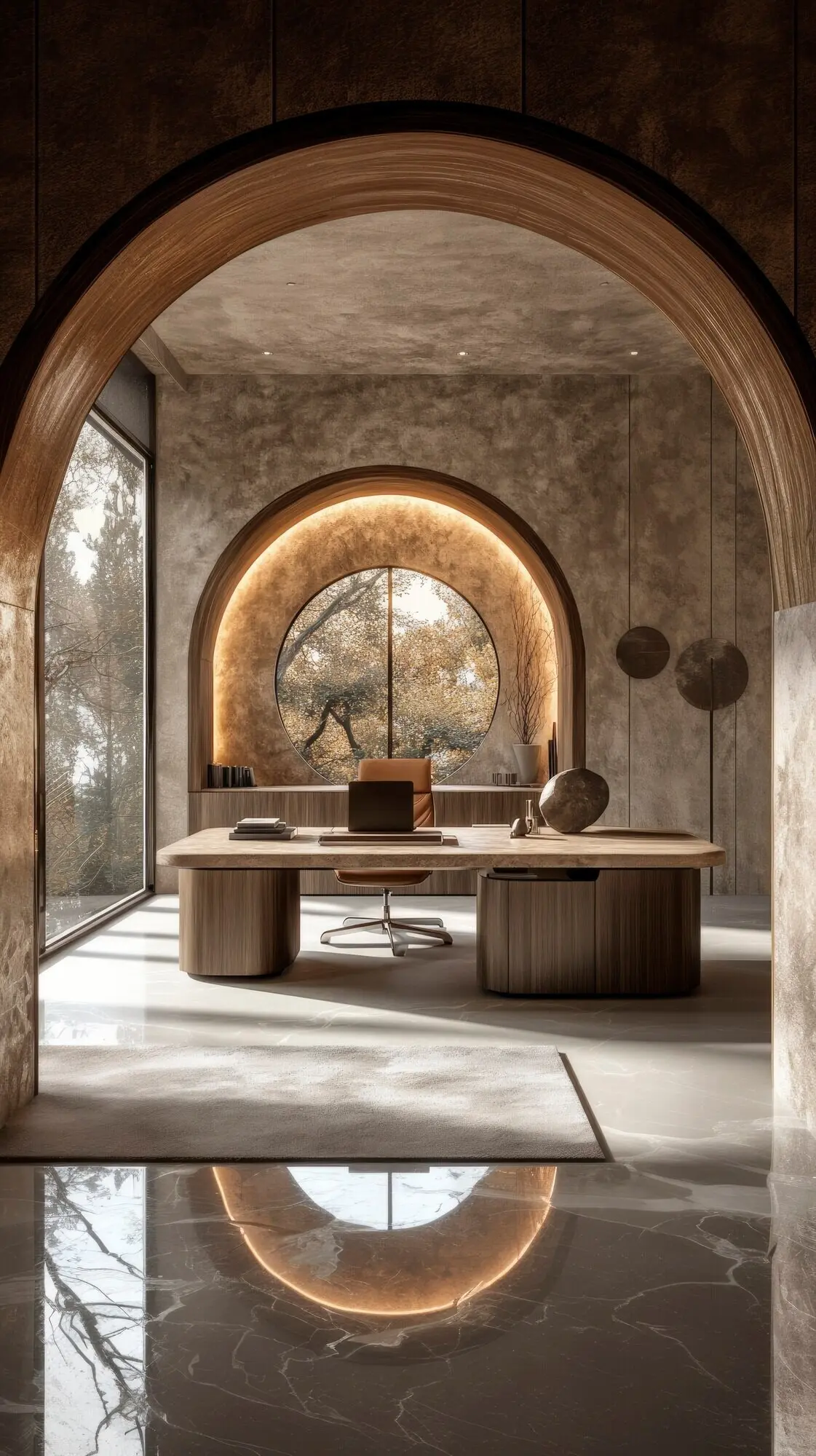
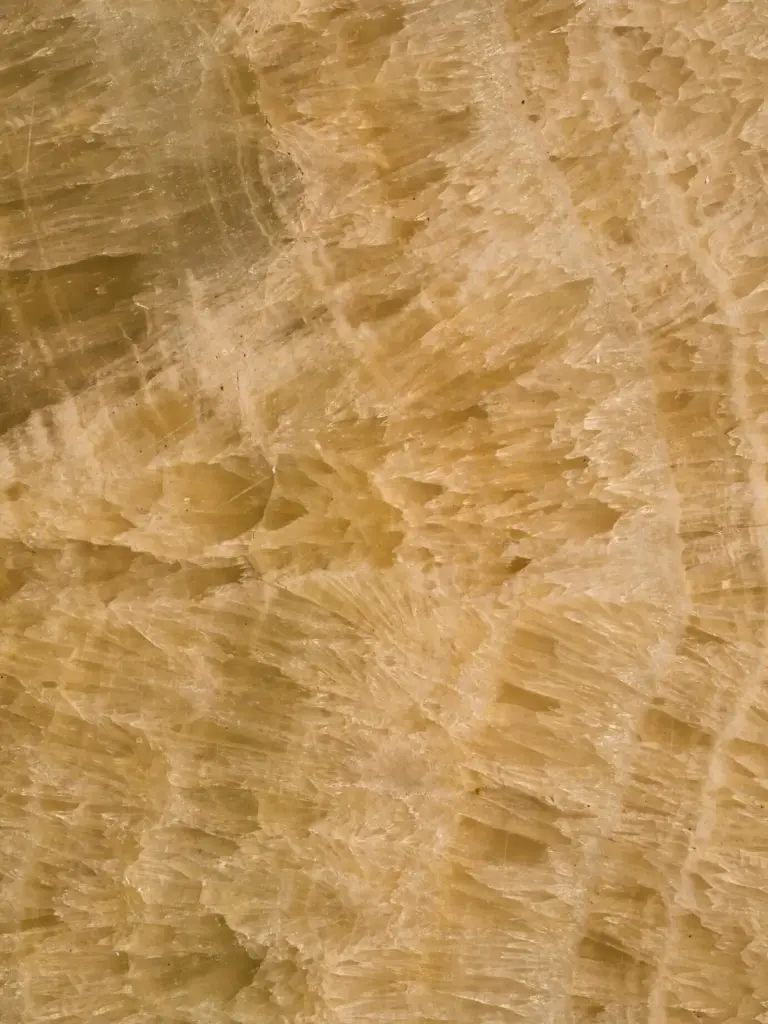
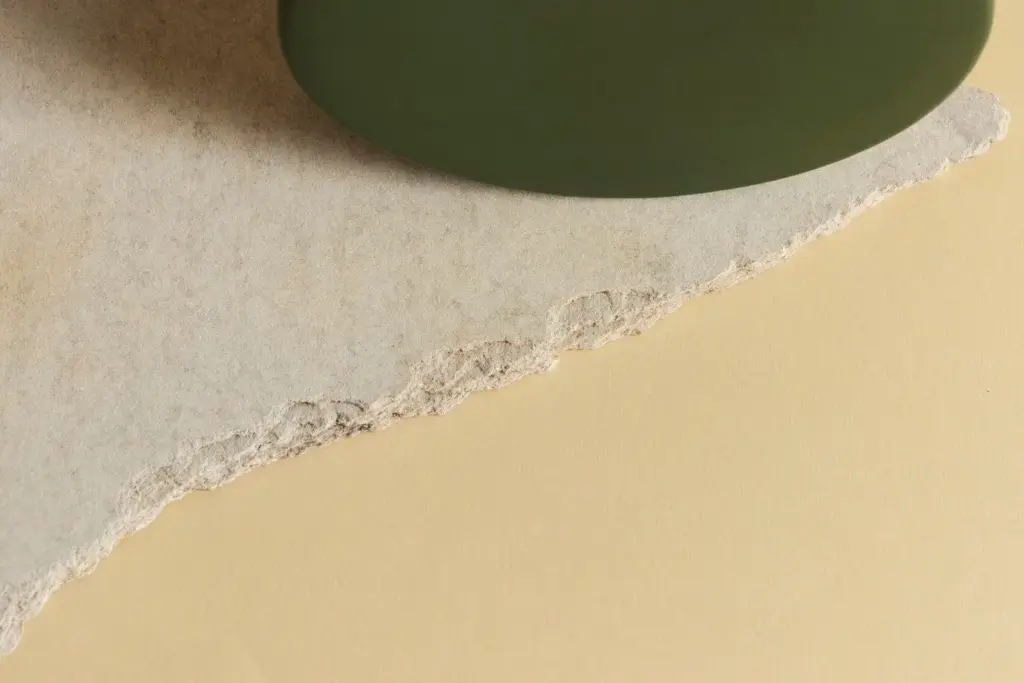
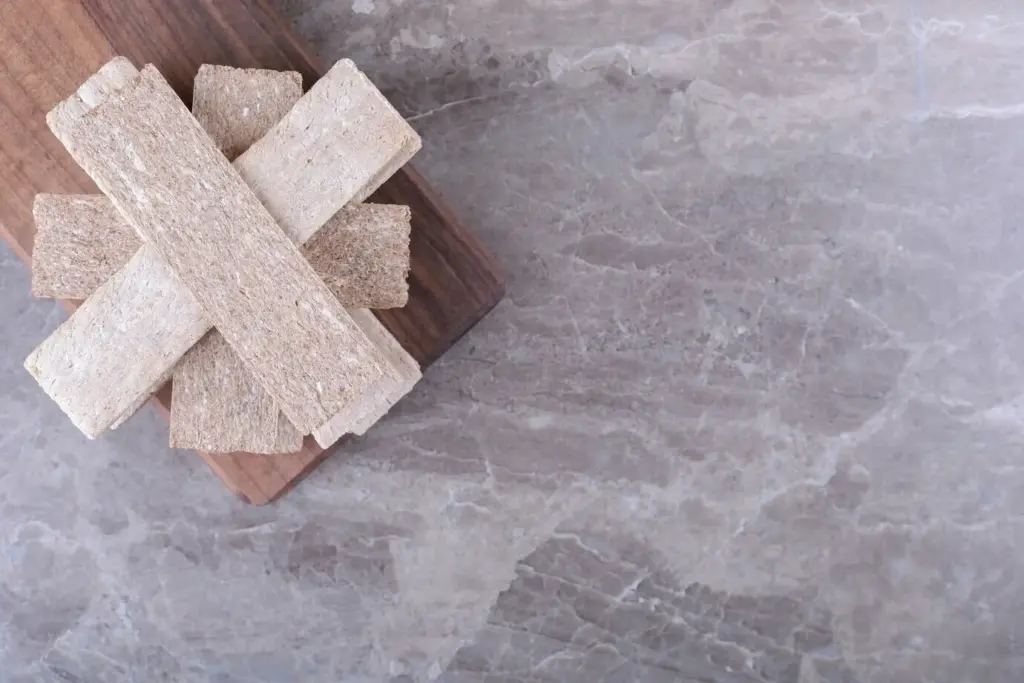
Honed limestone offers a satiny, low-reflective surface ideal for calm kitchens and baths. Brushed finishes introduce velvety tooth, helpful for grip and character. Tumbled edges soften joints, adding heritage charm. Sealers should be breathable and matte, emphasizing mineral nuance over shine. Expect etches and embrace them; they blend into a lived-in patina that feels authentic rather than anxious.
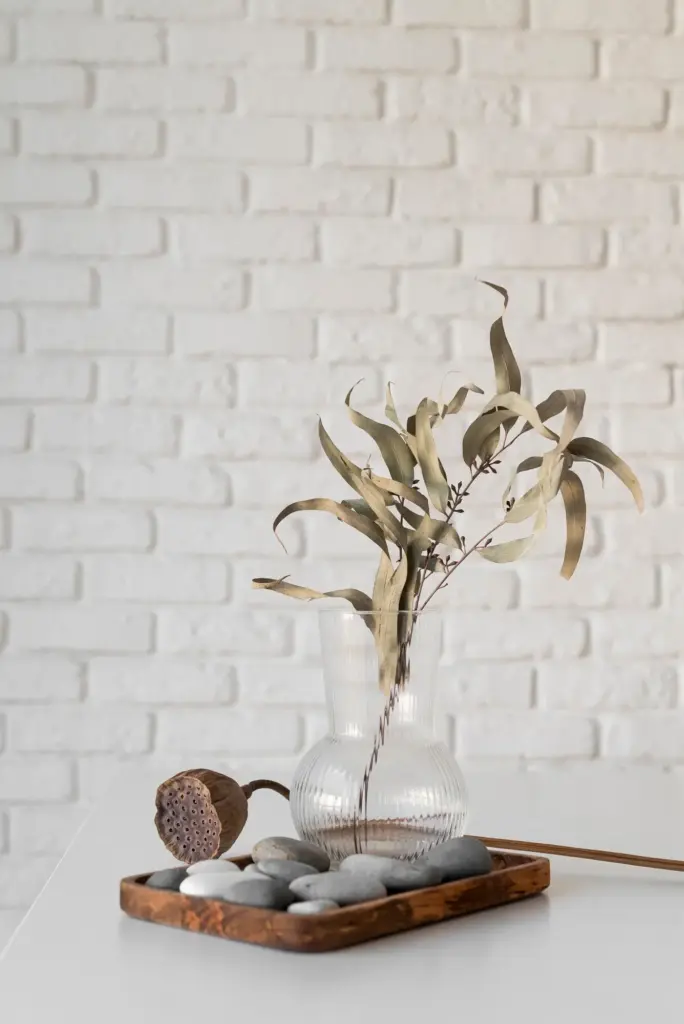
Direct funds toward doorknobs, tabletops, stair rails, and textiles. These intimate points translate quality immediately and often. An oak dining surface, hand-finished, will host decades of meals. Linen sheets improve sleep with breathability. Limestone thresholds greet each step with calm. The cumulative effect surpasses showy accents, delivering comfort that registers every hour, not merely during tours.
Swap shiny synthetics for enzyme-washed linen in curtains or bedding to correct glare and temperature at once. Refinish an existing oak piece rather than replacing it, revealing grain and memory. Add a limestone hearth slab to anchor a living area. Each move multiplies quiet, proving that restrained gestures can transform mood with remarkable efficiency and long-lasting satisfaction.
Start with one room to learn maintenance rhythms and lighting nuances. Keep a materials log—sources, finishes, care routine—and revise as you notice seasonal behavior. Expand gradually, refining choices as your hand and eye align. Invite conversation: share photos, ask questions, and subscribe for deeper guides. This steady cadence preserves budget while cultivating confidence and genuine, lived-in elegance.
All Rights Reserved.