
Elegance That Thinks Without Showing Off
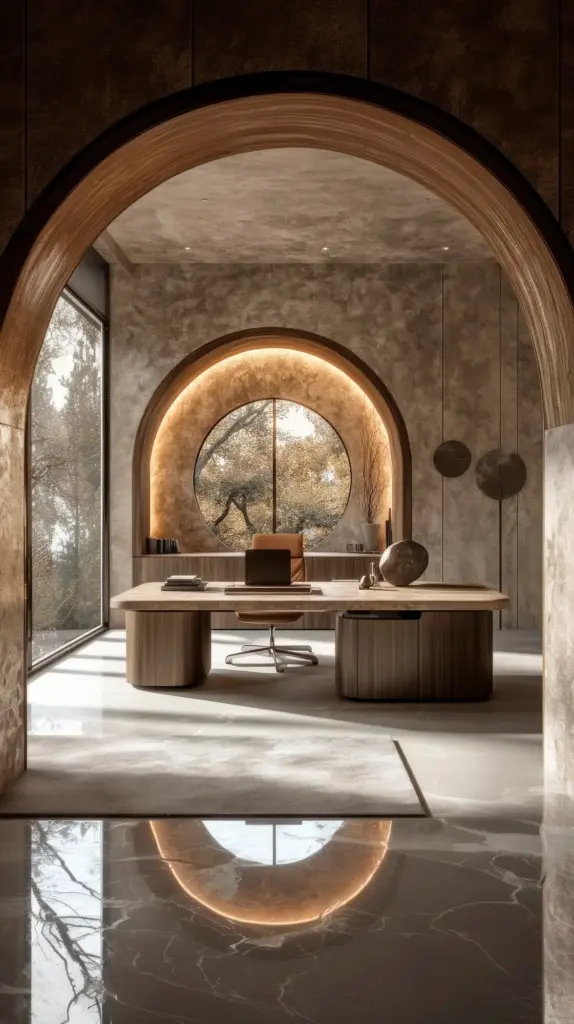
Today we explore discreet smart home integration that preserves a refined aesthetic, revealing how to blend sensors, lighting, climate, audio, security, and control into a calm visual language. Expect practical techniques, architect-tested details, and a design mindset that celebrates subtlety. If effortless luxury matters to you, join the conversation, ask questions, and share where technology should vanish so experiences can shine, welcoming a home that feels attentive, personal, and beautifully quiet.

Calm Visual Fields

Walls, millwork, and ceilings deserve uninterrupted planes. Reduce wall acne by consolidating controls, routing sensors to trimless locations, and selecting hardware with matching finishes. When sightlines remain clean, rooms feel larger and more serene. Tell us which surface in your home feels busiest and why, and we will explore layered strategies to simplify without sacrificing capability.

Human-Centered Priority

Start with moments: arriving home, preparing dinner, unwinding, hosting, sleeping. Then design scenes that bridge these transitions automatically and gracefully. People should never feel coached by a gadget or stalled by a menu. If a system disappears into habits, it is succeeding. Share a daily routine you want softened by light, sound, and climate, and we will map behaviors into gentle, predictable cues.

Restraint as a Design Tool

Elegance often means saying no to a visible option when a concealed one exists. Choose fewer, better interfaces; prefer contextual automation over manual toggles. Apply a curatorial mindset: every visible element earns its place by enhancing comfort or clarity. Describe a control you rarely touch, and consider whether a background rule could retire it quietly yet responsibly.

Planning with Architects, Early and Deep

Clean Infrastructure

A slender conduit now saves walls later. Group low-voltage home runs to discreet utility zones, keeping closets ventilated and acoustically isolated. Provide service slack behind removable panels to prevent visible surface raceways. Share your floor plan constraints, and we will suggest cable paths, riser strategies, and access points that honor architecture while remaining serviceable and adaptable for years.

Power and Data Separation

Noise creeps in when high-voltage and low-voltage tangle. Maintain spacing, use shielded cabling where needed, and specify quiet, efficient power supplies with remote placement. Centralization simplifies heat and hum control. Tell us where humming transformers or blinking indicators annoy you, and we will explore rack design, UPS selection, and decoupling techniques that preserve silence and composure.

Mockups and Dry Runs

Tape out wall controls, build cardboard recesses, and test sightlines with painter’s tape. Experiencing scale avoids awkward alignments later. Invite installers and designers to the same table. Share photos of your construction stage, and we can propose trim depths, reveal sizes, and hinge strategies that make controls accessible yet invisible, preventing patchy fixes after finishing trades leave.

Materials, Finishes, and the Art of Disappearance

Tone-on-Tone Interfaces

When switchplates mirror wall color and sheen, the eye glides past. Explore powder-coating, in-situ painting, or factory-color options for controls and sensor covers. Even small tone shifts matter. Share your preferred paint codes and gloss levels, and we will suggest compatible products and protective coatings that survive touch while remaining visually hushed in both daylight and lamplight.

Acoustic Camouflage

Speakers can breathe through plaster or fabric without announcing themselves. Microperforated panels painted to match walls preserve clarity while hiding hardware. In joinery, slatted fronts mask subwoofers. Tell us your favorite room for listening, and we will propose grille strategies, paint-safe membranes, and placement tricks that protect imaging while keeping surfaces calm and compositionally consistent.

Stone, Wood, and Sensors

Motion and temperature sensors deserve respect within natural materials. Recess elements into trim shadows, align with grout lines, or mount behind acoustically transparent weaves. Control reveal widths carefully to avoid awkward highlights. Share a material you love, and we will recommend sensor housings, lens tints, and angled placements that read intentional rather than techno-forward.

Interfaces that Whisper and Anticipate

Replace button sprawl with meaningful scenes that honor routines. Opt for gentle haptics, adaptive dimming curves, and glanceable feedback. Voice should be polite, private, and sparingly used; phones are for fine-tuning, not constant tapping. Share how you prefer to communicate at home—gesture, voice, scheduled automation—and we will craft an interface stack that feels considerate and unintrusive.

01

Scenes, Not Buttons

Instead of endless toggles, present moments: Morning, Welcome, Dine, Movie, Goodnight. Each scene choreographs lighting, shades, climate, and music. A single touch becomes hospitality. Tell us which moments define your days, and we will translate them into layered cues that adjust automatically with seasons, occupancy, and natural light, reducing decision fatigue across every space.

02

Voice with Polite Boundaries

Hands-free is powerful, but microphones must respect privacy. Favor on-device processing, clear mute indicators, and localized wake words. Use voice for occasional convenience, not constant control. Share rooms where voice feels appropriate or intrusive, and we will tune sensitivity, limit capture windows, and route responses to stay whispered, relevant, and emotionally considerate.

03

Contextual Automation

Presence, time, and ambient conditions can drive gentle adjustments. Arrive home to pre-warmed floors and welcoming light; host with music that settles at conversation-friendly levels. Explain a situation that often needs fiddling, and we will map sensor inputs to outcomes, keeping manual overrides available while making the default experience reliably pleasing and unobtrusive.

Network and Power that Vanish from Sight

A graceful experience demands robust, quiet infrastructure. Distribute Wi‑Fi access points like lighting fixtures, planned for coverage and aesthetics. Hide racks in ventilated closets, suppress LEDs, and centralize power with clean labeling. Share your connectivity frustrations, and we will propose channel plans, roaming strategies, and power conditioning that strengthen performance while maintaining visual and acoustic composure.

Access Points as Design Elements

Plan for ceiling APs aligned with luminaires, painted to match, or recessed into trim kits. Balanced placement beats maximum signal in corners. Share ceiling heights, materials, and floor plans, and we will model coverage, propose discreet mounting kits, and coordinate with lighting design to ensure performance without the visual clutter of opportunistic, last-minute spots.

Battery and Micro‑Power Strategy

Reduce maintenance by routing power to sensors through low-voltage runs where possible. Where batteries are necessary, standardize formats, document replacement intervals, and hide spares discreetly. Tell us which devices drain fastest, and we will suggest firmware tweaks, duty-cycle strategies, and harvesting options that keep reliability high without visible chargers or tangled cables.

Security, Privacy, and Confidence without Spectacle

Protection should feel reassuring, not theatrical. Conceal door contacts, hide camera wiring, and choose optics that blend with facades. Prioritize encryption, local recording, and ethical data practices. Share your comfort thresholds, and we will balance discretion with robust defense, ensuring that safety enriches peace instead of dominating interiors with blinking lights and visible hardware.

Invisible Perimeter Awareness

Recess contact sensors, align magnetic gaps with hardware lines, and use buried reeds for gates. Calibrate outdoor presence sensing to avoid alerts for wildlife while capturing genuine approach patterns. Describe an entry sequence, and we will choreograph lighting, locks, and notifications so arrivals feel considered yet never performative or distracting for household or guests.

Cameras that Respect Interiors

Prefer low-profile enclosures, neutral finishes, and careful mounting heights. Use privacy shutters and scene-based recording schedules. Keep indicators off or thoughtfully dimmed. Share where cameras feel essential or uncomfortable, and we will recommend optics, fields of view, and cabinetry tricks that keep awareness high while allowing living spaces to breathe and feel truly personal.

Redundancy without Clutter

Backups should hide in plain sight. Choose compact UPS units mounted in ventilated joinery, dual-path internet with graceful failover, and cloud only where it adds value to local resilience. Tell us your worst outage story, and we will design layered continuity that quietly protects routines without adding a visible tangle of cables and boxes.
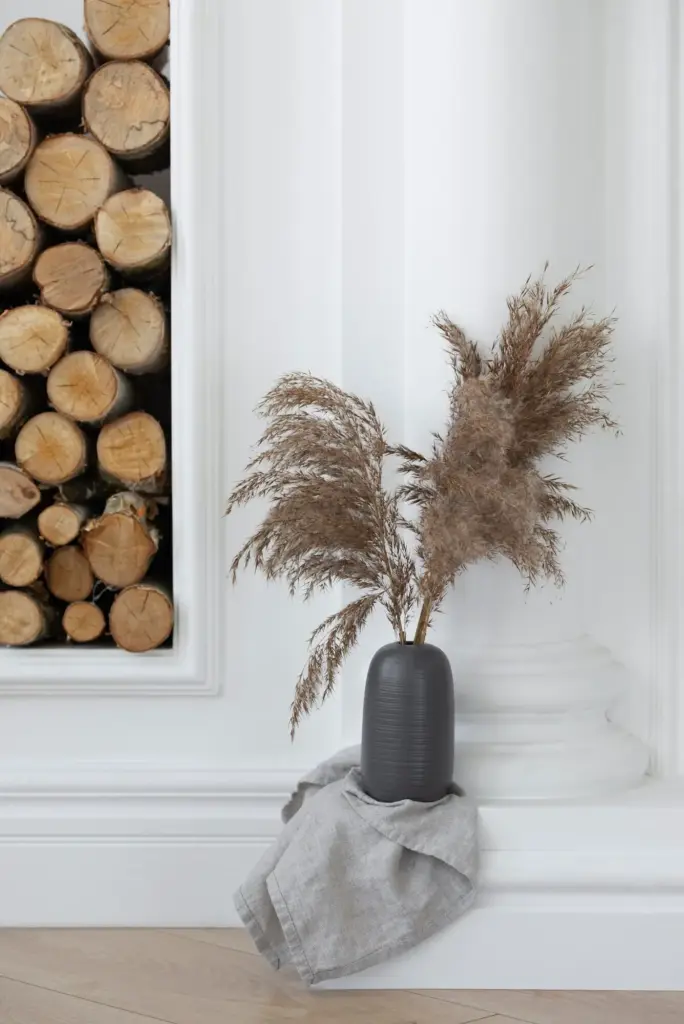
A Corridor that Guides without Glare

At dusk, floor-level LEDs washed the hallway softly, triggered by presence and lux. The light never struck eyes, only surfaces. Guests believed someone always anticipated their steps. Tell us about your circulation paths, and we will create wayfinding that respects art, materials, and nighttime sensitivity without cluttered switches or overly dramatic sensors.

A Kitchen with Controls in the Drawer

Cooking zones stayed serene: a hidden drawer held the master scene control and charging tray. Counters remained clear, and touchless presets handled task lighting and ventilation. Share where clutter collects in your kitchen, and we will suggest concealed docks, scene logic, and extraction control that keeps aromas, sounds, and sightlines beautifully disciplined.
Ruzulumetozekomuponu
Privacy Overview

This website uses cookies so that we can provide you with the best user experience possible. Cookie information is stored in your browser and performs functions such as recognising you when you return to our website and helping our team to understand which sections of the website you find most interesting and useful.